Molluscs and crustaceans of the Tagus: the seafood of the coast, from Lisbon to Cascais
Equipa Lusitana Boat · June 24, 2026
Between Lisbon and Cascais, the coast hides one of Portugal’s greatest treasures: outstanding seafood. From the waters of the Tagus estuary to the open sea off the Cascais line live dozens of species of molluscs and crustaceans that make this one of the best seafood areas in the country. Here’s a guide — and, at the end, how to bring it to the table, on board.
An outstanding seafood coast
The stretch running from the mouth of the Tagus to Cascais brings together two worlds: the brackish, rich waters of the estuary and the cold, clean Atlantic of the coast. It’s that mix that gives the seafood here its intense flavour and the quality that fills the seafood restaurants of Lisbon, Cascais and the Margem Sul. Much of the very best you eat in the region comes straight from these waters.
Molluscs of the coast
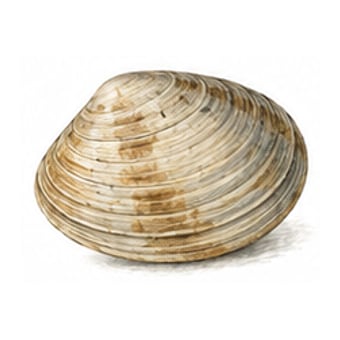
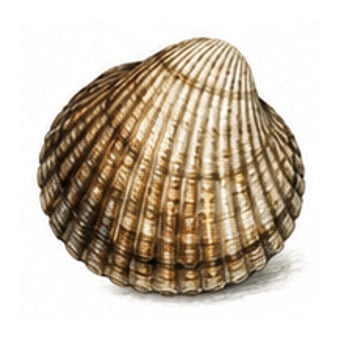
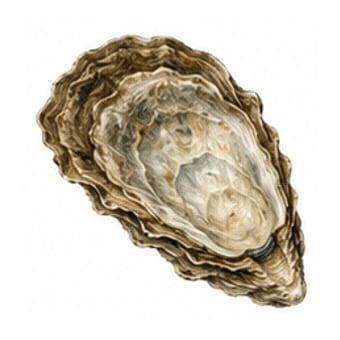
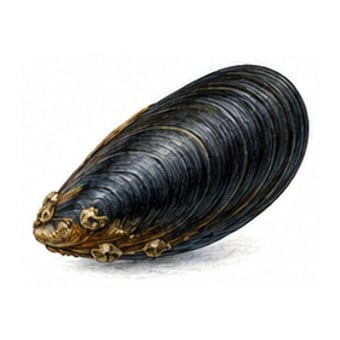
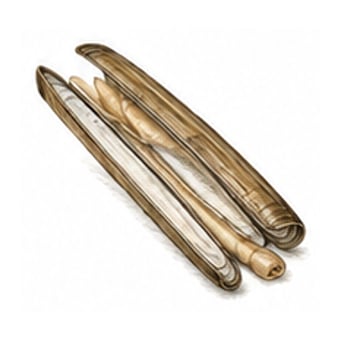
Bivalves
Those that live between two shells, filtering the water — hence the taste of the sea:
Cephalopods
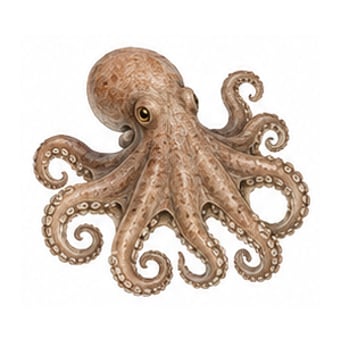
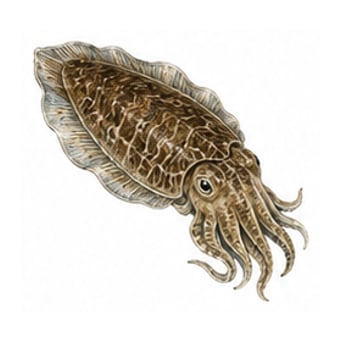
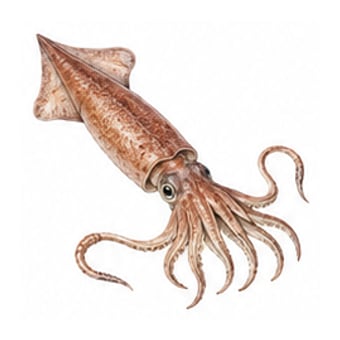
Intelligent and tasty, they’re stars of Portuguese cuisine:
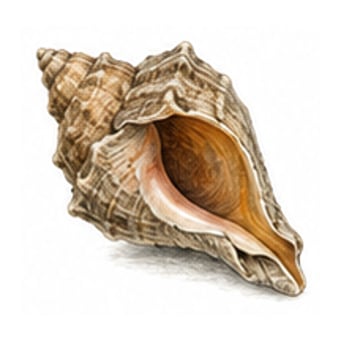
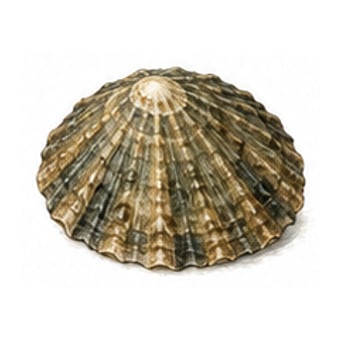
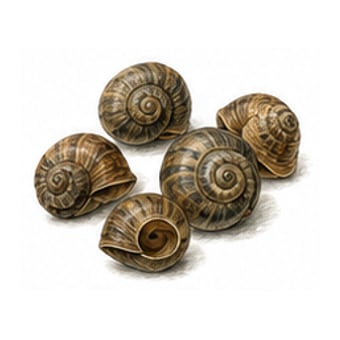
Gastropods
The “snails of the sea”, very typical of the rocks:
Crustaceans of the coast
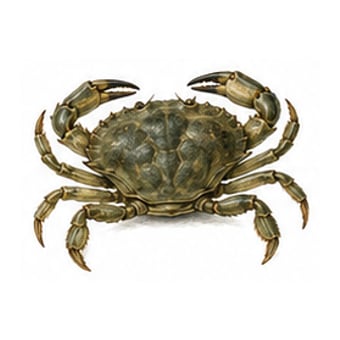
Rock-dwelling
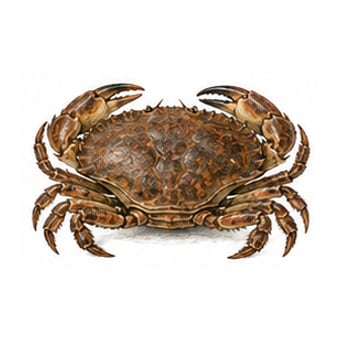
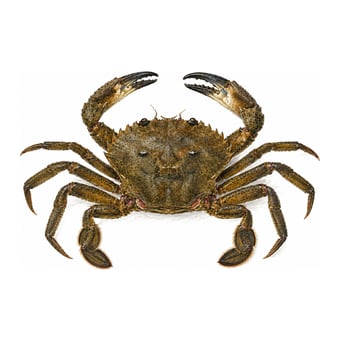
They live among the stones of the Cascais line:
Deep-water
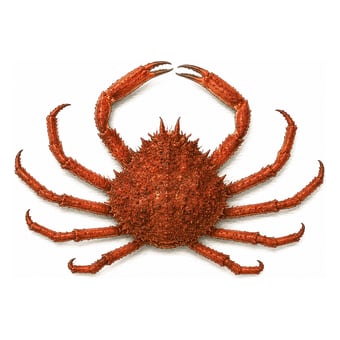
Caught further offshore:
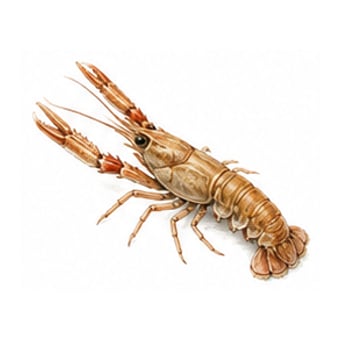
Premium
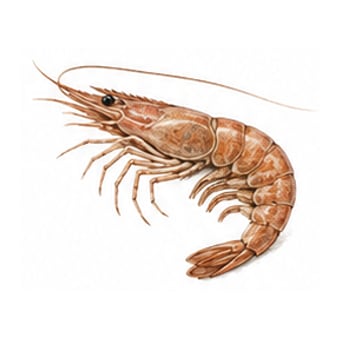
The kings of the table:
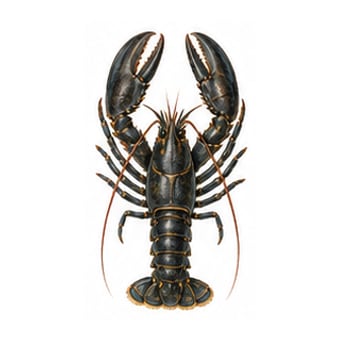
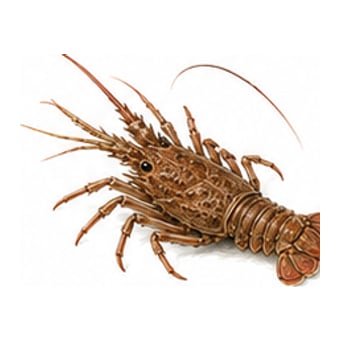
Typical of our coast
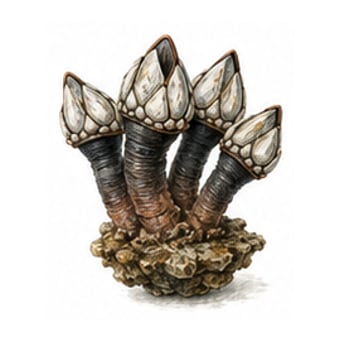
Estuary and sea: two worlds on one plate
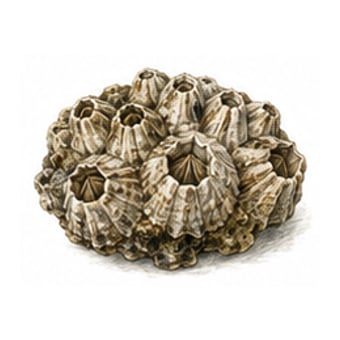
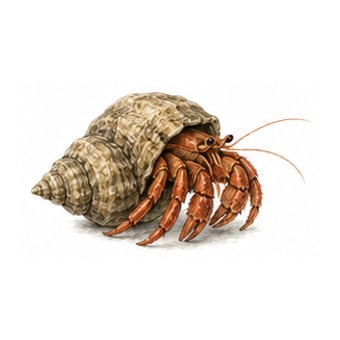
The secret of the seafood here lies in the meeting of two waters. In the brackish, nutrient-rich Tagus estuary thrive the bivalves that filter the water — clam, cockle, mussel — across the sandbanks and mudflats. Out on the Atlantic coast off Cascais and Estoril, cold and pounded by the waves, goose barnacles, limpets and crabs cling to the rocks, while spider crab, lobster and spiny lobster swim further offshore. It’s this blend of habitats, just a few kilometres apart, that gives the region a variety and a flavour hard to match.
Season: when each seafood is at its best
Seafood has its seasons — and respecting them makes all the difference to the flavour:
- Autumn and winter — the golden season for crustaceans: spider crab, brown crab and lobster are fuller and sweeter. Oysters follow the old rule of the months with an R (from September to April).
- Spring and summer — mussel, clam and cockle at their peak; spiny lobster and prawns call for the warm days.
- All year round — octopus, cuttlefish and squid follow the seasons, with small variations.
There are also closed seasons that protect each species during breeding — which is why what we serve on board changes with the season and with what the sea gives that day. It’s also what keeps the seafood fresh and the coast healthy for the future.
From the catch to the table: seafood with a story
Each kind of seafood has its own way of reaching the plate:
- Goose barnacles — gathered by hand on the wave-battered rocks; it’s one of the most dangerous jobs at sea, and that’s why they’re a luxury.
- Spider crab and brown crab — caught in pots (traps) set on the rocky seabed.
- Bivalves — gathered on the sandbanks of the estuary, always with minimum sizes and a licence, so the species can renew itself.
Only a few hours pass from sea to plate — and it’s that freshness you taste in dishes as truly ours as amêijoas à Bulhão Pato (clams in garlic and coriander), arroz de marisco (seafood rice), cataplana (seafood stew) or sapateira recheada (dressed brown crab).
From the sea to the table, on board
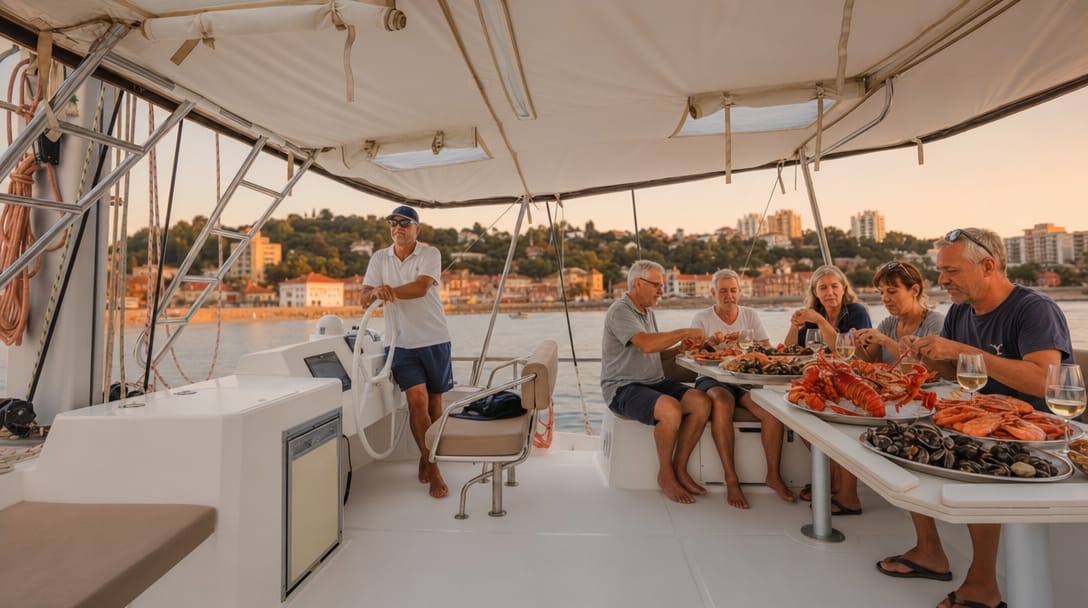
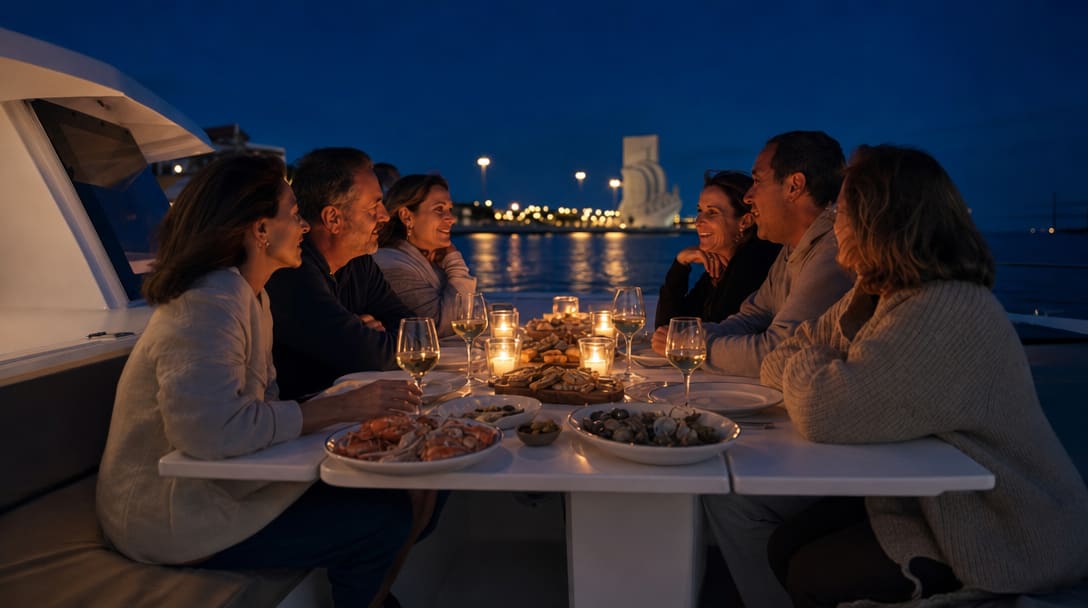
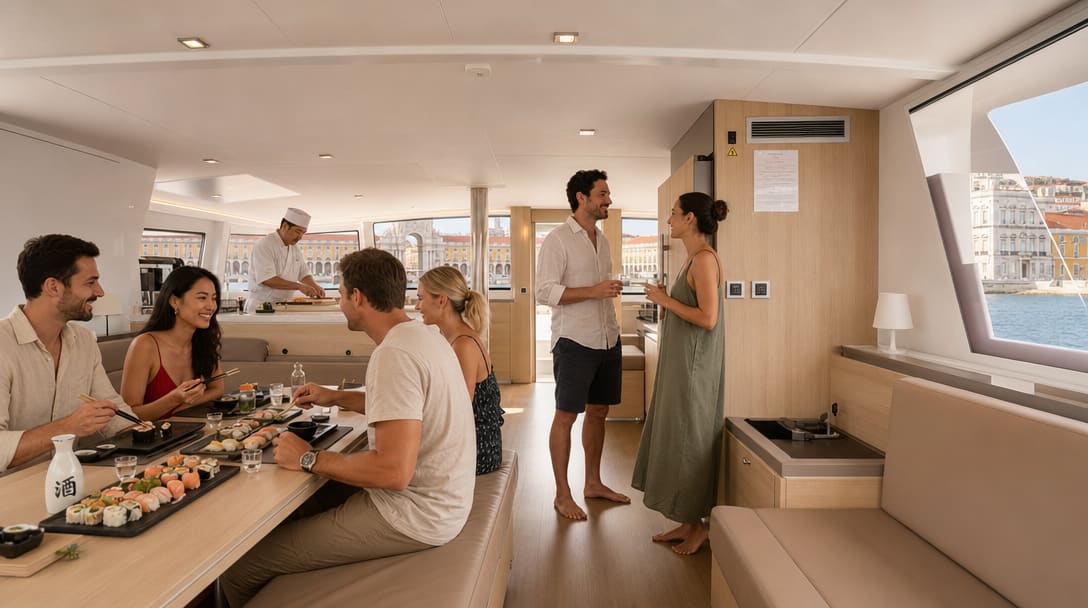
Getting to know the species is half the pleasure — the other half is tasting them in the right place. Aboard the Lusitana, we bring the best of the coast’s seafood onto the water: with chef food on board, we put together seafood spreads with spider crab, lobster, spiny lobster, prawns and clams, prepared and served with Lisbon and the Cascais line as the backdrop. Prefer to start light? Fresh oysters and sushi on board (with fish and seafood from our coast) are the perfect opening.
It’s the most beautiful way to combine the Lisbon-to-Cascais boat route with a seafood meal tailored just for you.
See what lives beneath the water
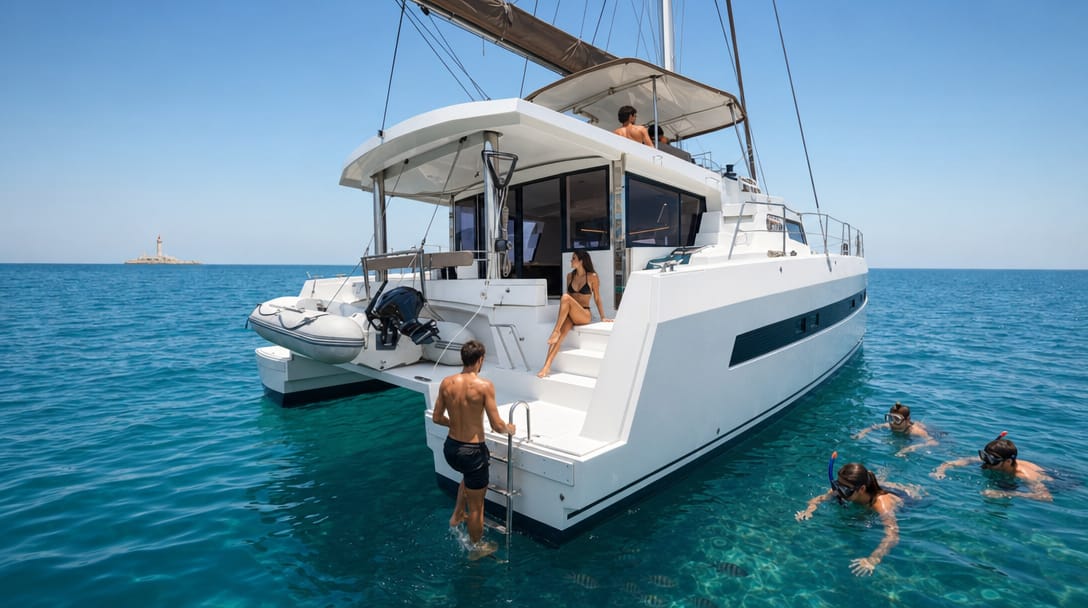
And what if, instead of just eating, you took a peek at the world it all comes from? On a Sail & Swim stop, in the cleaner waters near Cascais, you can snorkel and get a close-up look at the life among the rocks — mussels, crabs and shoals of fish — before climbing back on board for the seafood spread.
Frequently asked questions
What’s the best season for seafood? It depends on the species. Autumn and winter are the peak for crustaceans (spider crab, brown crab, lobster) and oysters; spring and summer favour mussel, clam and spiny lobster. On board, we tailor the seafood spread to whatever is at its best for the season.
What seafood can I eat on board? We put together seafood spreads tailored to you — spider crab, lobster, spiny lobster, prawns, clams and more — with chef food on board. Tell us what you prefer and we’ll take care of everything.
Is the seafood fresh and from the coast? We work with fresh seafood, from our coast whenever the season allows. The stretch between Lisbon and Cascais is one of the best seafood areas in the country.
Can we add a swim/snorkelling stop? Yes. On a Sail & Swim stop, near Cascais, you can snorkel and see the marine life before the meal.
Are there options for those who don’t eat seafood? Of course — we have chef menus, barbecue, sushi and vegetarian options. No one is left out.
Fancy a seafood spread on the river? Plan your cruise or get in touch on WhatsApp and we’ll set up the seafood table on board.
Related experiences
Keep reading
Ready to set sail on the Tagus?
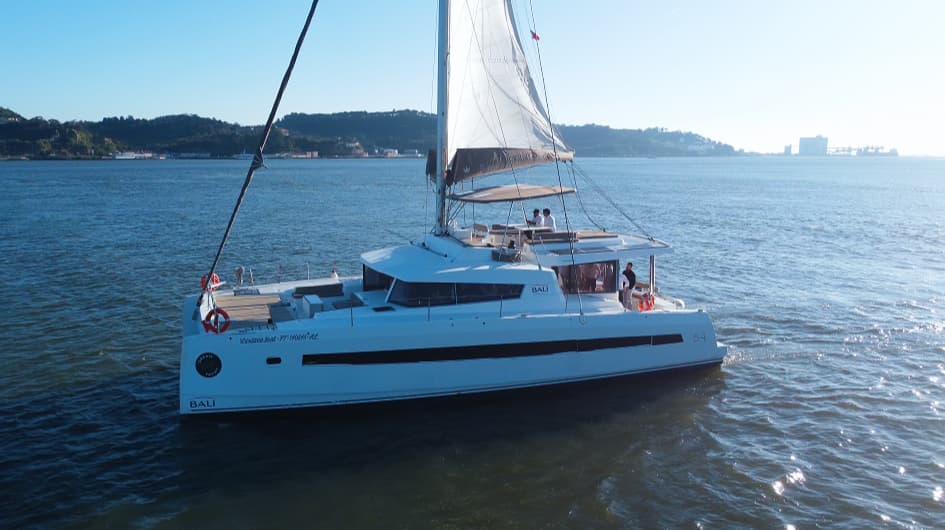
Private catamaran charter in Lisbon — up to 37 guests, 5.0★ on Google.
Book on WhatsApp